EXECUTIVE SUMMARY
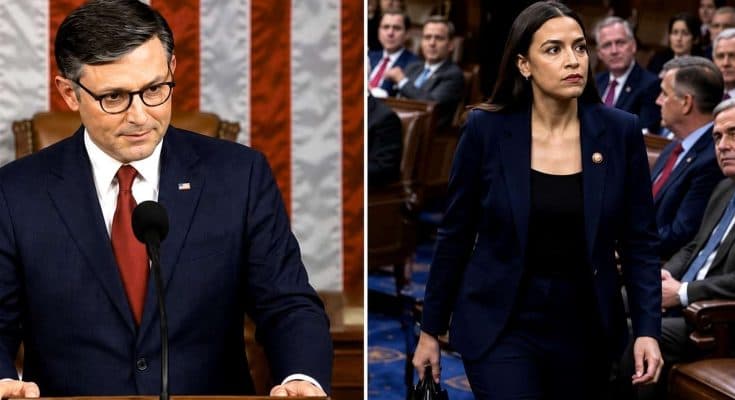
Alexandria Ocasio-Cortez warns her high-stakes 2028 political decision could permanently end her career if she fails.
Alexandria Ocasio-Cortez admits her upcoming 2028 political decision could mark the end of her entire electoral career if she loses a high-stakes race.
- New York democratic socialist Alexandria Ocasio-Cortez is seriously weighing a 2028 presidential campaign, a Senate run, or another bid for her current House seat. The prominent progressive openly acknowledges that her next electoral contest could become the final campaign of her political career if she ultimately faces defeat.
- Describing the situation as entirely all-or-nothing, Ocasio-Cortez noted she would be finished if she ran and lost, though she remains entirely unopposed to that ultimate outcome. This extraordinary admission significantly raises the stakes as she contemplates abandoning her safe congressional district for a far riskier national political arena.
- The high-profile politician confirmed that no official decision will arrive until after the upcoming November midterms, when Democrats receive another crucial verdict from voters. Her ultimate choice centers squarely on determining where she can achieve the most good within the current American political landscape.
- Ocasio-Cortez enters these vital deliberations possessing undeniable advantages, including massive fundraising power, immense national recognition, and an intensely loyal progressive following nationwide. A recent University of New Hampshire survey even placed her first among prospective Democratic presidential candidates with twenty-two percent support.
- Despite these strong internal party metrics, attracting dedicated progressive activists and winning a mainstream general election represent two dramatically different challenges. Recent polling consistently exposes potentially serious weaknesses among independent voters and citizens who remain deeply skeptical of democratic socialism.
- A September poll revealed that fifty-one percent of likely voters viewed socialism unfavorably, compared to only thirty-one percent viewing it favorably. Nationwide voters also proved significantly more likely to oppose supporting a democratic socialist, presenting a profound ideological obstacle for one of America's most recognizable left-wing figures.